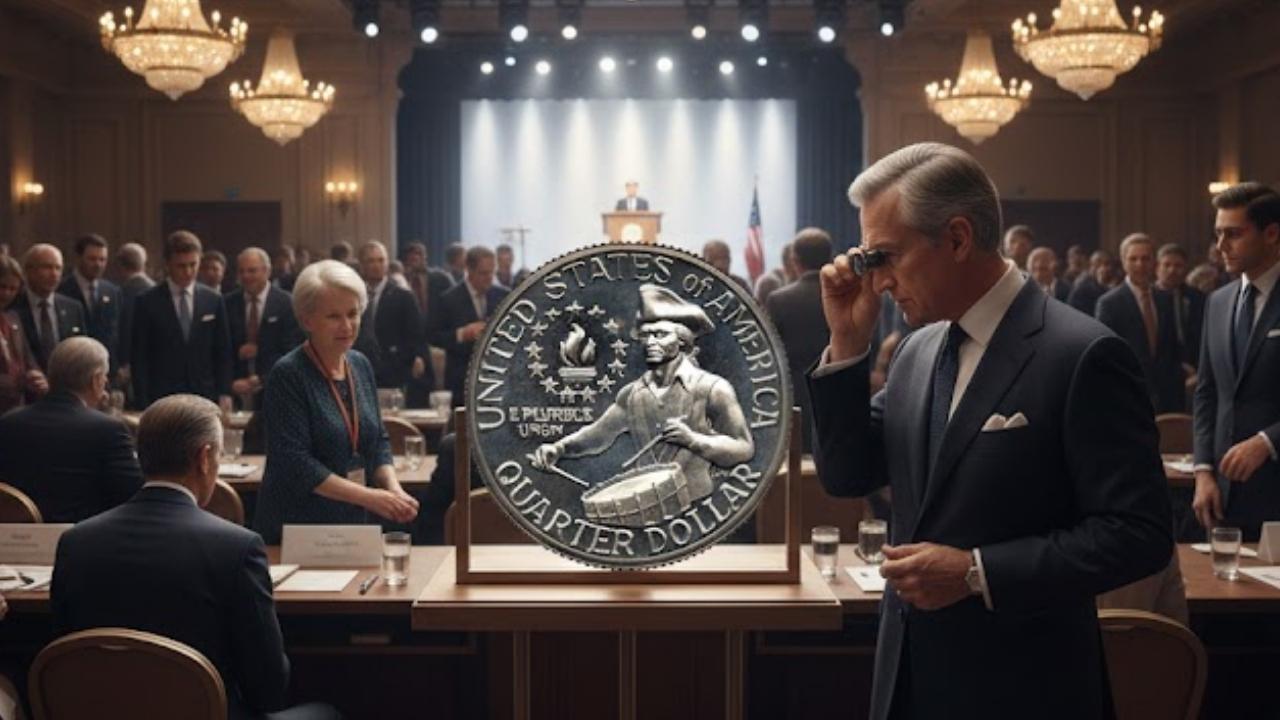
1776–1976 Bicentennial Quarter Value Guide: The Bicentennial Liberty Quarter was issued in 1976 to celebrate 200 years of American independence. Unlike standard quarters, it carries the dual date “1776–1976,” symbolizing the nation’s journey from its founding to the bicentennial celebration. The reverse design, created by Jack L. Ahr, features a colonial drummer and a victory torch surrounded by thirteen stars, making it one of the most distinctive designs in U.S. coinage history.
Design Elements and Symbolism
The obverse retains George Washington’s familiar portrait, ensuring continuity with earlier quarters. The reverse stands out with its colonial imagery, representing the Revolutionary War era and the spirit of independence. This short-lived design adds historical and visual appeal, making the coin a favorite among collectors.

Minting Locations and Production
Three U.S. Mint facilities produced Bicentennial Quarters: Philadelphia, Denver, and San Francisco. Philadelphia and Denver struck copper-nickel clad coins for circulation, while San Francisco produced proof and collector issues, including special 40% silver versions. Although millions were minted, certain finishes and errors remain scarce.
Standard Circulated Bicentennial Quarter Value
Most Bicentennial Quarters found in circulation today are worth only face value due to high production numbers. However, uncirculated examples, especially those preserved in mint sets, can sell for a few dollars depending on condition.
Silver Bicentennial Quarter Value
Silver Bicentennial Quarters, containing 40% silver, were sold exclusively in collector sets. Their intrinsic metal content ensures they are worth more than face value, with proof examples often commanding higher prices when certified.
Rare Errors That Boost Bicentennial Quarter Prices
Error coins make Bicentennial Quarters especially exciting. Examples include double strikes, off-center strikes, missing clad layers, and wrong-planchet errors. Some rare varieties, such as quarters struck on dime planchets, have sold for thousands of dollars at auction.

Proof and Mint Set Bicentennial Quarters
Proof Bicentennial Quarters from San Francisco feature sharp details and mirror-like finishes. When preserved in original government packaging, they remain highly collectible. Mint sets containing uncirculated examples from multiple mints also attract strong interest.
Why Grading and Condition Matter
Condition is critical in determining value. Professionally graded coins are more trusted and often sell for higher prices. A Bicentennial Quarter graded Mint State 65 or above can be worth several times more than an ungraded example, while flawless proof coins are especially desirable.

Market Demand and Collector Interest
Collector demand for Bicentennial Quarters remains steady due to their historical significance and unique design. While common examples are plentiful, silver proofs and rare errors continue to attract strong interest. Market prices fluctuate with silver values and collector trends.
Selling Prices in Today’s Coin Market
Circulated coins typically sell for face value. Uncirculated examples can bring a few dollars, silver proofs often range from $6 to $20, and rare error coins can sell for hundreds or even thousands depending on rarity and condition.
Tips for Collectors and Sellers
Collectors should prioritize quality, focusing on condition, composition, and certification. Sellers are advised to research current market prices, consider professional grading for high-quality coins, and use reputable auction platforms for rare examples.
Final Verdict
The 1776–1976 Bicentennial Liberty Quarter is a timeless symbol of American independence and numismatic history. While most examples remain common, silver proofs, uncirculated coins, and rare errors can hold significant value. For collectors, it offers historical charm and investment potential, while sellers can benefit from understanding rarity and condition to maximize profits.
Disclaimer
This guide is for informational purposes only. Coin values depend on condition, rarity, grading, and market demand, which can change over time. Prices are not guaranteed. Collectors and sellers should consult professional grading services or reputable coin dealers before making buying or selling decisions.
