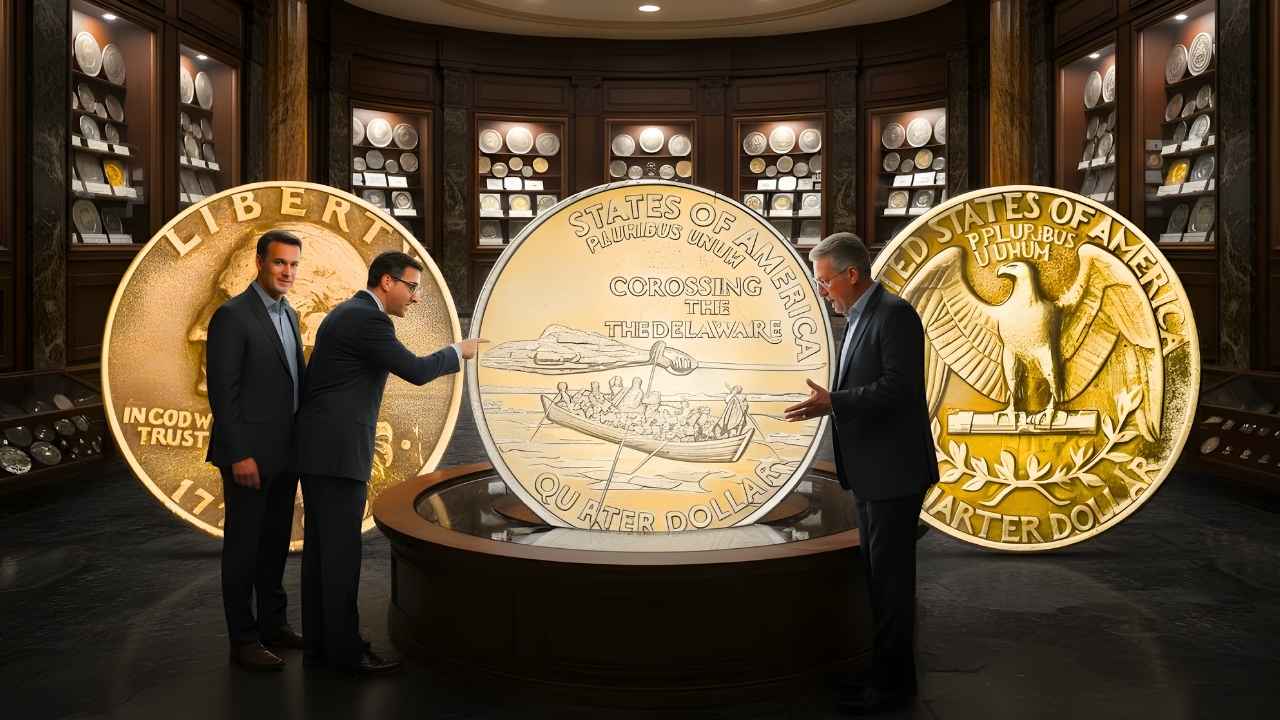
1976 Bicentennial Quarters Worth Money: The year 1976 represented a historic celebration for the United States as the nation marked 200 years of independence. To honor this milestone, the U.S. Mint introduced a special series of coins, with the 1976 Bicentennial quarter becoming the most visible and widely used. This quarter replaced the traditional eagle reverse with a colonial drummer holding a torch, encircled by thirteen stars, symbolizing the original colonies. Designed by Jack L. Ahr, the coin carried the dual date 1776–1976 on the obverse, making it instantly recognizable.
Types of 1976 Bicentennial Quarters Worth Collecting
| Mint Location | Mint Mark | Composition | Collector Appeal |
|---|---|---|---|
| Philadelphia | None | Copper-nickel clad | High-grade circulation finds |
| Denver | D | Copper-nickel clad | Strong strikes and error varieties |
| San Francisco | S | Clad proof | Mirror finish collector coins |
| San Francisco | S | 40 percent silver | Precious metal and rarity |
Beyond being everyday money, the Bicentennial quarter became a symbol of national pride. During the celebrations, these coins passed through millions of hands, and many Americans saved them as souvenirs. While most examples remain common today, specific varieties, mint origins, and conditions have turned certain 1976 Bicentennial quarters into valuable collectibles.

Philadelphia No Mint Mark Bicentennial Quarter
The Philadelphia Mint produced Bicentennial quarters without any mint mark, striking them in extremely large quantities. As a result, most of these coins are still worth face value. However, collectors place strong emphasis on condition. Uncirculated examples with sharp details and flawless surfaces are difficult to find. Coins graded MS67 or higher are scarce and can command prices far above their original value. Searching bank rolls for pristine Philadelphia quarters remains a popular activity among collectors.
Denver Mint Bicentennial Quarter
Denver Mint Bicentennial quarters are identified by a small D mint mark. Like their Philadelphia counterparts, they were produced in massive numbers, but many collectors believe Denver coins often show slightly stronger strikes. High-grade Denver quarters are desirable, especially those free from contact marks. Error coins such as doubled dies, off-center strikes, and clipped planchets can significantly increase value. For collectors assembling a complete set, the Denver issue is an essential component.
San Francisco Clad Proof Bicentennial Quarter
The San Francisco Mint created clad proof Bicentennial quarters specifically for collectors. These coins feature polished mirror-like fields and frosted design elements, giving them a refined appearance. Although not intended for circulation, some proof coins have escaped into everyday use. Most clad proof quarters are affordable, but examples graded PR69 or PR70 are scarce and highly valued. Their visual appeal makes them a favorite among collectors who prioritize aesthetics.
San Francisco 40 Percent Silver Bicentennial Quarter
The most valuable 1976 Bicentennial quarter is the San Francisco 40 percent silver version. These coins were sold in special mint sets and contain a significant amount of silver. Their intrinsic metal value alone exceeds face value, but collector demand pushes prices much higher. High-grade silver Bicentennial quarters are especially sought after and can sell for hundreds or even thousands of dollars. Owning one is often considered the centerpiece of a Bicentennial quarter collection.
Why 1976 Bicentennial Quarters Matter to Collectors
The Bicentennial quarter represents more than monetary value. It captures a moment when the country reflected on its history and unity. The drummer design evokes Revolutionary War imagery and patriotic sentiment. Collectors appreciate these coins because they are accessible, historically meaningful, and offer opportunities to find rare varieties. The combination of high mintage and selective rarity makes collecting Bicentennial quarters both approachable and challenging.
How to Identify Valuable Bicentennial Quarters
Identifying valuable Bicentennial quarters requires attention to detail. Collectors should first examine the mint mark to determine origin. Strike quality and surface preservation are equally important, as clean, sharply struck coins command higher prices. Minting errors can dramatically increase value, especially when clearly visible. Composition also matters, particularly for silver issues. Understanding these factors helps collectors distinguish common coins from desirable finds.

Market Trends for Bicentennial Quarters
Interest in 1976 Bicentennial quarters has remained steady over the years due to their historical significance. While most coins trade at face value, auction records show strong demand for high-grade examples. Coins graded MS67 and above often sell for hundreds of dollars, while silver and proof issues continue to attract collectors. With the United States approaching its 250th anniversary, interest in Bicentennial-era coinage is expected to grow even further.
Final Verdict
The 1976 Bicentennial quarter stands as a lasting tribute to America’s 200th anniversary. Although billions were minted, select varieties offer real collectible value. Philadelphia no mint mark quarters in top condition, Denver issues with errors, San Francisco clad proofs, and San Francisco silver quarters each provide unique appeal. Whether collected for history, beauty, or investment potential, these coins remain an important part of U.S. numismatics.
Disclaimer
This article is intended for informational purposes only. Coin values vary based on condition, market demand, and professional grading. Readers should consult certified numismatic experts or grading services before making financial decisions related to rare or valuable coins.
