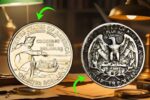
Most Valuable Rare U.S. Quarters: Quarters are among the most familiar coins in the United States, often exchanged without a second thought. Yet for collectors, these coins can hold extraordinary value. Some rare quarters have sold for thousands or even millions of dollars, far exceeding their face value of twenty‑five cents. The allure of discovering such a treasure keeps coin enthusiasts searching tirelessly, examining dates, mint marks, and unusual features that set certain quarters apart.
The History Of The U.S. Quarter
The U.S. quarter was first introduced in 1796, featuring Lady Liberty on the obverse and an eagle on the reverse. Over the centuries, the design has evolved, reflecting changes in American culture and history. From the Barber quarters of the late nineteenth century to the Washington quarters introduced in 1932, each design tells a story about the era in which it was minted. More recently, the State Quarters program launched in 1999 brought renewed interest to the coin, with designs celebrating each state’s unique heritage.

Key Quarter Designs Over Time
| Year Introduced | Design Theme | Notable Features |
|---|---|---|
| 1796 | Draped Bust Liberty | First quarter, eagle reverse |
| 1892 | Barber Quarter | Classic Liberty head design |
| 1916 | Standing Liberty | Short‑lived, modified quickly |
| 1932 | Washington Quarter | Introduced for George Washington’s bicentennial |
| 1999 | State Quarters | 50 unique state designs |
| 2010 | America the Beautiful | National parks and landmarks |
Why Some Quarters Are Worth More Than Face Value
The value of a quarter depends on several factors. Rarity is the most important. Coins produced in limited numbers or with unusual minting errors are far less common than standard issues. Condition also plays a major role. Coins preserved in pristine, uncirculated condition can be worth far more than those that show signs of wear. Historical significance adds another layer of value, as coins tied to important events or changes in minting practices often attract greater interest. Errors such as double strikes, off‑center designs, or unusual coloration can make a coin unique. Proof coins, which are specially struck for collectors with sharp details and mirror‑like finishes, are also more valuable than ordinary circulation coins.
Examples Of Valuable Rare Quarters
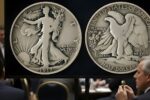
Several quarters stand out as particularly valuable. One of the most famous is the 1932‑D Washington Quarter. Produced in Denver during the first year of the Washington design, this coin had a low mintage and is highly prized by collectors. In pristine condition, it can be worth thousands of dollars. Another example is the 1916 Standing Liberty Quarter, produced in limited numbers and quickly modified in later years. Its rarity and historical significance make it one of the most sought‑after quarters in American numismatics. The 1970‑S Washington Quarter struck on a 1941 Canadian quarter planchet is another legendary rarity, selling for tens of thousands of dollars at auction.
How To Identify Valuable Quarters
Collectors should examine the date and mint mark carefully. Certain years are known for producing rare variations, and mint marks indicate where the coin was produced. Coins from Denver or San Francisco may be rarer than those from Philadelphia. Errors such as doubling of letters or numbers, off‑center strikes, or unusual features can all signal a valuable coin. Condition matters greatly, with uncirculated or proof coins commanding higher values than heavily circulated examples.
The Thrill Of Coin Collecting
Coin collecting is often described as a hobby of patience and discovery. Enthusiasts spend hours examining coins, attending auctions, and trading with fellow collectors. The possibility of finding a rare quarter worth thousands of dollars adds excitement to the pursuit. Beyond monetary value, coin collecting offers a connection to history, as each coin reflects the era in which it was produced.

Could You Really Find One In Your Pocket Change
Rare coins occasionally surface in circulation. People often inherit old coin collections or unknowingly spend rare coins, allowing them to reenter the market. While most quarters found today are common, stories of individuals discovering valuable coins in jars or loose change continue to inspire hope.
The Market For Rare Quarters
The coin market is influenced by supply, demand, and historical significance. Rare quarters attract intense interest from collectors and investors. Auctions often see competitive bidding, with prices climbing rapidly. Professional grading services play a crucial role in determining value, as they assess authenticity and condition. Working with reputable dealers and auction houses is essential for fair transactions.

Lessons From Valuable Quarters
The story of valuable quarters highlights the importance of attention to detail. A small minting error or unusual variation can transform an ordinary coin into a priceless treasure. It also reminds us that history often hides in plain sight, and rarity continues to capture human imagination.
The Joy Of Discovery
At its heart, the excitement surrounding rare quarters is about discovery. The idea that something as simple as a coin could hold immense value sparks curiosity and wonder. Even if most collectors never stumble upon a coin worth thousands, the journey of searching and learning is rewarding.
Final Verdict
Rare U.S. quarters are more than currency. They are historical artifacts, symbols of rarity, and treasures that inspire collectors. While the odds of finding one in pocket change are slim, the possibility continues to fuel interest in numismatics. For those who value history and the thrill of discovery, coin collecting remains a timeless pursuit.
Disclaimer
This article is for informational purposes only. Values of coins can fluctuate depending on market demand, grading, and condition. Readers should consult professional coin dealers or grading services before making financial decisions related to coin collecting.