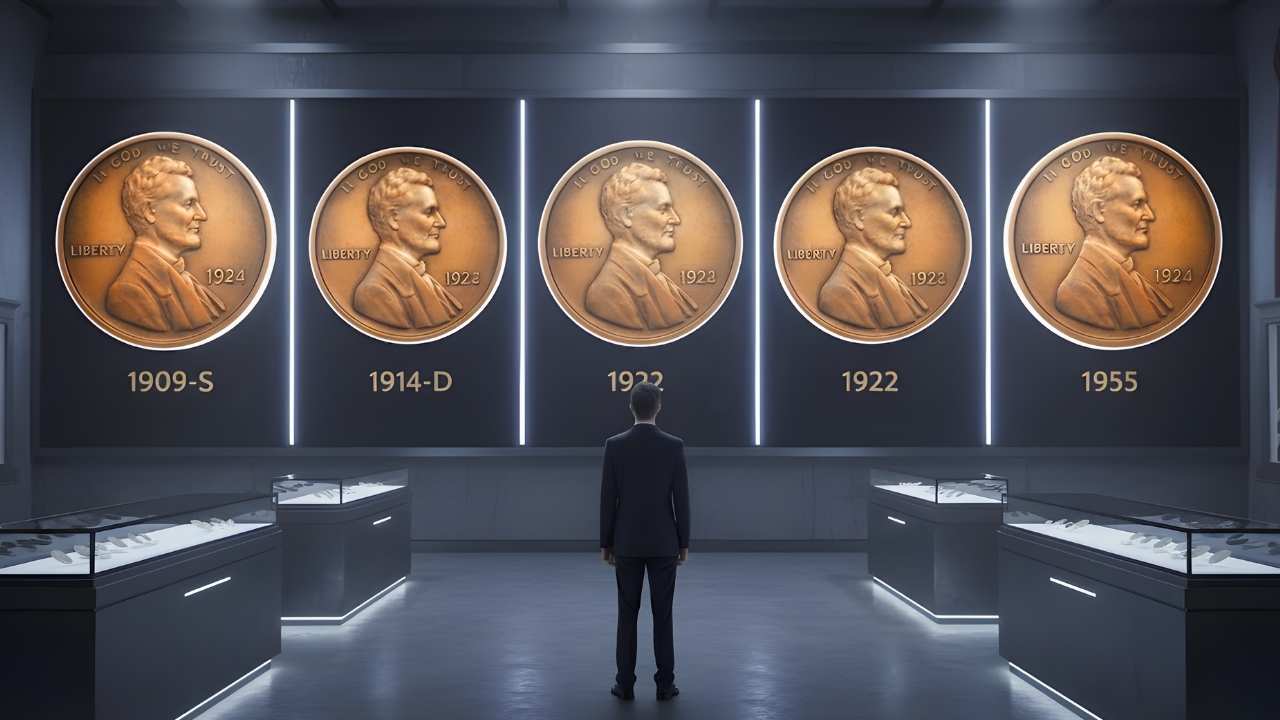
Wheat Pennies Value Trends: Wheat pennies, also known as Lincoln Wheat Cents, are among the most popular coins collected in the United States. Minted from 1909 to 1958, they feature two wheat stalks on the reverse side, giving them their name. Over the past decade, their value has shifted in interesting ways. Whether you already own some or are considering starting a collection, knowing how their prices have moved in the last 10 years is essential.
Quick Overview of Value Factors
| Factor | Impact on Value |
|---|---|
| Year and Mint Mark | Determines rarity and collector demand |
| Condition | Higher grades bring significantly higher prices |
Why Are Wheat Pennies Special
Wheat pennies are more than old coins; they represent American history and craftsmanship. Collectors appreciate them because they are affordable compared to other rare coins, yet certain years and varieties can be worth substantial amounts. Their appeal lies in both accessibility and the potential for hidden treasures.

Price Trends Over the Last 10 Years
In the past decade, common wheat pennies have remained relatively affordable, often worth only a few cents to a couple of dollars. However, rare dates and coins in exceptional condition have seen steady increases in value. Collectors have noticed that high-grade examples are becoming harder to find, pushing prices upward.
Common Wheat Pennies
Most wheat pennies minted in large numbers remain inexpensive. Yet, clean and well-preserved examples have slowly risen in price as fewer remain in circulation. Collectors are willing to pay more for coins that retain sharp details and minimal wear.

Key Dates and Rare Varieties
Certain years stand out for their rarity. The 1909-S VDB penny is one of the most famous, with prices rising from around $500–$800 in 2015 to well over $1,000 today, sometimes reaching several thousand depending on condition. Other scarce dates like 1914-D and 1931-S have also seen notable increases due to collector demand.
Condition Matters
The state of preservation is critical in determining value. Coins graded in mint condition can be worth ten times more than heavily worn examples. Over the last decade, the market has shown a stronger preference for high-grade coins, driving prices higher even for common dates in uncirculated condition.

Impact of Coin Market Trends
Broader coin market trends influence wheat penny values. Social media and online marketplaces have boosted interest in coin collecting, while rising copper prices have slightly increased melt value. Still, collector demand remains the primary driver of wheat penny prices.
How to Check the Value of Your Wheat Pennies
To evaluate your coins:

- Identify the year and mint mark
- Assess the condition carefully
- Look for rare features or errors
- Consult price guides and online resources
- Seek professional grading for rare or valuable coins
Tips for Collecting Wheat Pennies
- Collect pennies from different years and mints
- Focus on improving coin condition over time
- Learn key dates and varieties to spot valuable coins
- Store coins properly to prevent damage
- Monitor market trends regularly
Final Verdict
Wheat pennies remain a rewarding entry point into coin collecting. Over the last 10 years, their values have shown steady growth, especially for rare dates and well-preserved examples. By paying attention to year, mint mark, condition, and market trends, collectors can uncover both historical significance and financial value in these classic coins.
Disclaimer
This article is for informational purposes only. Coin values depend on rarity, condition, and market demand. For accurate appraisals or sales, consult professional numismatists or trusted coin dealers.